Freelancers enjoy the flexibility of working independently, choosing their clients, and managing their own schedules. However, this independence also comes with a significant responsibility: handling administrative tasks. From creating invoices and tracking payments to managing documents and ensuring compliance with new regulations, administrative work can quickly become overwhelming.
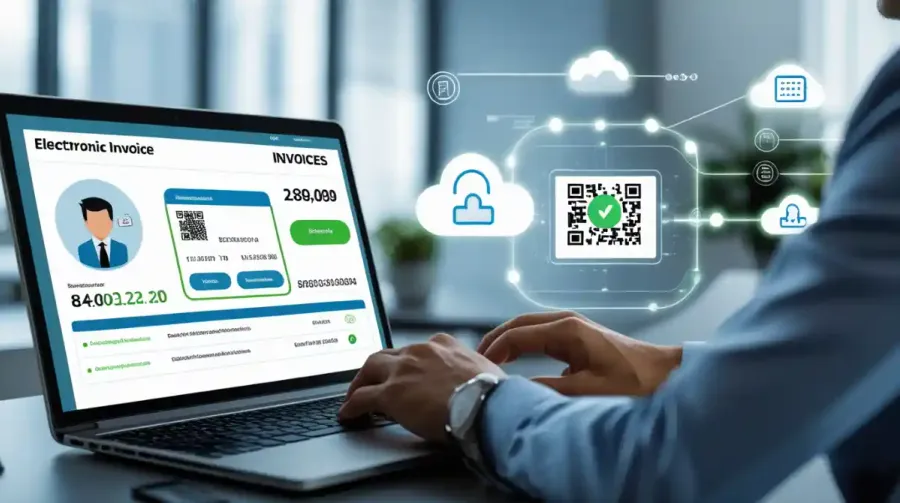
An electronic invoicing platform offers a practical solution that helps freelancers streamline these processes, reduce manual work, and focus more on growing their business.
Content
The Administrative Challenges Freelancers Face
Freelancers often manage every aspect of their business on their own. This includes client communication, project management, financial tracking, and administrative paperwork. Traditional invoicing methods—such as manually creating invoices in spreadsheets or documents—can lead to several issues.
First, manual invoicing is time-consuming. Creating invoices, calculating taxes, updating payment records, and sending reminders can take hours each month.
Second, there is a higher risk of errors. A simple mistake in calculations or missing details can cause confusion, delayed payments, or compliance issues.
Third, managing multiple documents across emails, folders, and spreadsheets can make it difficult to keep track of financial records.
With digital regulations and electronic invoicing requirements becoming more common, freelancers need a more efficient and reliable way to handle these tasks.
Automating Invoicing Processes
One of the biggest advantages of an electronic invoicing platform is automation. Instead of manually creating invoices for each project, freelancers can generate professional invoices within minutes.
Many platforms allow users to create invoice templates, automatically fill in client information, calculate taxes, and add payment terms. This eliminates repetitive tasks and reduces the chance of errors.
Automation also helps freelancers send invoices instantly, schedule recurring invoices for ongoing clients, and receive notifications when payments are completed. These features ensure that invoicing becomes a quick and seamless process rather than a time-consuming chore.
Better Organization of Administrative Documents
Freelancers often handle a large number of administrative documents, including invoices, receipts, contracts, and payment confirmations. Without a proper system, these documents can quickly become disorganized.
An electronic invoicing platform provides a centralized space where all documents are stored digitally. This allows freelancers to easily access, search, and manage their records whenever needed.
Having organized documentation is especially useful during tax season or financial reviews, as freelancers can quickly retrieve the information they need without spending hours searching through files.
Improving Payment Tracking and Cash Flow
Late payments are a common challenge for freelancers. When invoices are sent manually, it can be difficult to track which clients have paid and which invoices remain outstanding.
An electronic invoicing platform simplifies this process by providing clear payment tracking. Freelancers can see the status of every invoice, including whether it has been sent, viewed, or paid.
Many platforms also offer automated reminders that notify clients when payments are due. This reduces the need for freelancers to manually follow up with clients and helps maintain a steady cash flow.
Ensuring Compliance with Digital Regulations
As digital transformation continues across industries, governments and institutions are increasingly introducing regulations related to electronic invoicing and secure digital document exchange.
For freelancers, staying compliant with these requirements can be confusing and time-consuming. An electronic invoicing platform helps simplify compliance by ensuring invoices follow standardized formats and secure digital practices.
Platforms designed for small businesses and freelancers often integrate compliance features directly into their systems, allowing users to meet regulatory requirements without needing advanced technical knowledge.
Supporting Freelancers with Accessible Digital Tools
Freelancers do not always have access to expensive accounting software or dedicated administrative teams. This is where platforms like EasyBusiness play an important role.
EasyBusiness is a non-profit initiative dedicated to helping freelancers, small businesses, and associations transition toward digital administrative management. The platform provides accessible tools that simplify electronic invoicing, document management, and secure business-to-business exchanges.
Beyond software, EasyBusiness also offers educational resources and practical guides that help entrepreneurs better understand digital administration and adapt to new obligations. By focusing on digital inclusion and administrative transparency, initiatives like EasyBusiness empower freelancers to adopt efficient solutions without needing extensive technical expertise.
More Time to Focus on Business Growth
Ultimately, the goal of an electronic invoicing platform is not just to digitize invoices—it is to simplify the entire administrative workflow.
By automating invoicing, organizing documents, tracking payments, and ensuring compliance, freelancers can significantly reduce the time spent on administrative tasks. This allows them to concentrate on delivering quality work, building client relationships, and expanding their business.
In today’s increasingly digital business environment, adopting an electronic invoicing platform is becoming less of an option and more of a necessity. For freelancers seeking efficiency, organization, and peace of mind, it offers a powerful tool that transforms administrative work into a simple and manageable process.
I’m Kelly Hood! I blog about tech, how to use it, and what you should know. I love spending time with my family and sharing stories of the day with them.
I'm Kelly Hood! I blog about tech, how to use it, and what you should know. I love spending time with my family and sharing stories of the day with them.
Beats headphones are known for their sleek design, booming bass, and seamless integration across devices. Whether you’ve just unboxed a new pair or are switching between gadgets,…
In today’s marketplace, products are everywhere — from everyday household items to complex electronics. Unfortunately, not all products are safe. Defective products can lead to serious injuries,…
To take a screenshot on most Android devices, press the Power + Volume Down buttons simultaneously. Depending on your device or Android version, there are also gesture-based…
If you’re wondering how to clear cache on Android, the process is simple and can greatly enhance your phone’s performance. Cached data is stored to speed up…
High-temperature resistant adhesives are crucial for industries and applications that involve extreme conditions. These specialized adhesives are designed to withstand elevated temperatures without losing their bonding strength…
The Google offers a feature called “Speech” that allows “Listen” words spoken near the computer’s microphone and turn it into text. The user can configure the PC…